- Musical.ly officially merged into TikTok on August 2, 2018, after ByteDance’s $1B acquisition.
- The transition was smooth, and all user content was automatically transferred to TikTok.
- TikTok introduced new features like the For You Page, Duets, longer videos, and monetization tools.
- As of 2025, TikTok is a global giant with over 1.5B users and expanding into e-commerce and AI content creation.
If you’ve been on the internet long enough, you probably remember Musical.ly the short-form video app that let users lip-sync to songs, make quick skits, and go viral overnight. It was wildly popular between 2015 and 2017, especially among teenagers. But if you’ve tried searching for Musical.ly today, you’ve likely noticed that it no longer exists. So, what happened to it? When exactly did Musical.ly change to TikTok, and why? Let’s break it down.
A Quick Background on Musical.ly
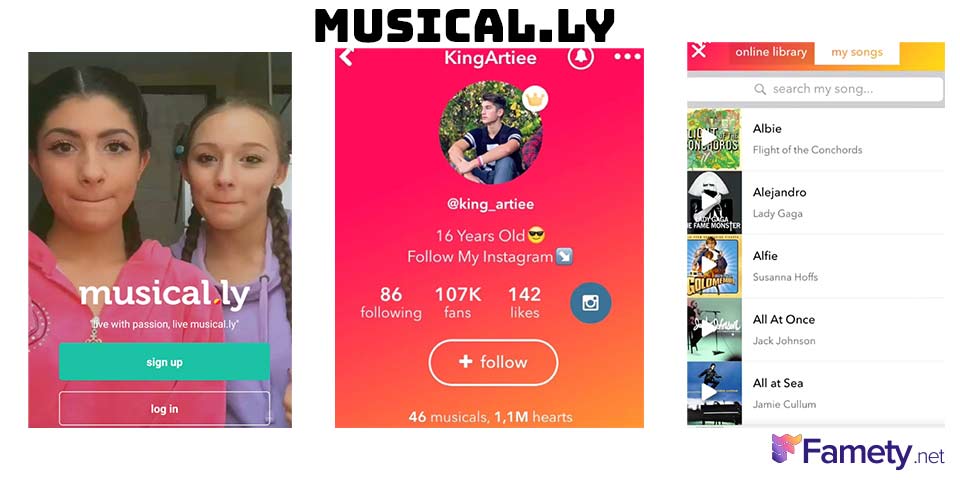
Musical.ly launched in 2014 and quickly became a sensation for short, music-based videos. With millions of daily users, it offered a unique way for people to express creativity through timed audio clips and camera tricks. It was especially big in the U.S. and Europe, with a young, energetic audience.
But while Musical.ly was making waves in the West, a Chinese tech company called ByteDance had quietly released a similar app in China called Douyin in 2016. It was almost the same concept, but only available in the Chinese market.
The TikTok Takeover
In November 2017, ByteDance made a bold move it acquired Musical.ly for nearly $1 billion. At the time, many people didn’t think much of it. Musical.ly continued to run as usual. But behind the scenes, ByteDance was working on something bigger.



Less than a year later, on August 2, 2018, ByteDance merged Musical.ly into a global version of Douyin. That global app? It was TikTok.
Overnight, Musical.ly users opened their app and saw that everything looked different new name, new logo, same content. All videos, followers, drafts and accounts were automatically moved to TikTok. The transition was smooth, and surprisingly, most users welcomed the change.
Why Did ByteDance Merge the Two Apps?
The reason was simple. Running two separate apps with the same purpose didn’t make sense. Musical.ly had a huge user base in the West, while Douyin had already gained ground in China. By combining their technology, resources, and communities under the TikTok name, ByteDance could scale faster and reach a truly global audience.
They also wanted to take advantage of TikTok’s more powerful recommendation engine, which was built with advanced AI. This algorithm quickly became a huge driver of engagement and helped TikTok go viral in a way Musical.ly never fully managed.
What Changed After the Merger?
From a user’s perspective, not much changed at first but under the hood, everything did. Here are some of the most important differences users noticed.
- A smarter and more addictive For You Page (FYP) that learns user behavior.
- New content formats like Duets and Stitch.
- Longer video options (Musical.ly capped at 15 seconds, TikTok started extending to 60 seconds, then 3 minutes, now up to 10).
- Broader content variety beyond music including comedy, fashion, education and even political content.
- A global focus, not just on U.S.-based creators.
While Musical.ly focused almost entirely on lip-sync videos and music challenges, TikTok opened the doors for everything from viral dances to cooking tutorials.
What Happened to the Founders of Musical.ly?
The original creators of Musical.ly, Alex Zhu and Luyu Yang, joined ByteDance after the acquisition. Zhu stayed on for a few years to help oversee product development and global expansion. Yang exited earlier, around 2020. Eventually, TikTok took on a life of its own, independent from its Musical.ly roots.
Where TikTok Stands Today (2023–2025)
As of 2025, TikTok is one of the top five social media platforms in the world, with over 1.5 billion active users monthly. It’s not just an app anymore it’s a cultural phenomenon. Here’s how TikTok has evolved since the merger.
- Integrated in-app shopping and affiliate marketing tools.
- Introduced TikTok Stories and longer-form content.
- Rolled out TikTok Search as a new competitor to Google for Gen Z.
- Launched advanced AI tools for creators, including smart editing and auto-captioning.
- Partnered with record labels and artists for exclusive music releases.
- Added revenue-sharing opportunities and deeper creator monetization.
TikTok continues to lead the short-form video race, setting the trends and reshaping how content is consumed online.
Final Thoughts
The transformation from Musical.ly to TikTok wasn’t just a name change it was a strategic shift that redefined the landscape of social media. By combining the creative spirit of Musical.ly with the algorithmic genius of TikTok, ByteDance created a global powerhouse that shows no signs of slowing down.
No. Creators on TikTok, Instagram, and YouTube cannot see how many times a specific person watched their video. They see aggregate view counts, engage...
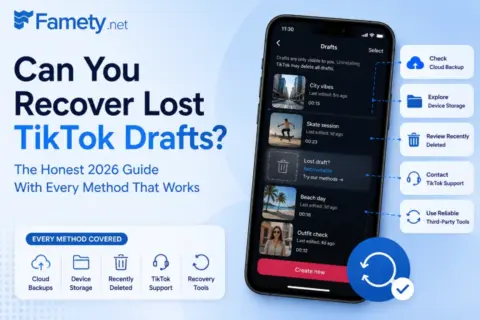
Sometimes, but only in specific situations. TikTok stores drafts locally on your device, not on its servers, which means once the app data is gone the...
So, when did Musical.ly change to TikTok? Officially on August 2, 2018. But its impact is still felt every single day you open that familiar black-and-white app.