- Instagram was launched in 2010 after evolving from a location app called Burbn.
- Founders Kevin Systrom and Mike Krieger focused on photo-sharing simplicity.
- Facebook acquired Instagram in 2012, helping it scale globally.
- Major milestones include Stories, Reels, influencer marketing, and AI features.
- Instagram helped define mobile-first social media and visual communication online.
Instagram is now one of the world’s most powerful social platforms, connecting over a billion users across the globe. From selfies to small businesses, it has influenced culture, branding, and communication at every level. But how did Instagram start? What decisions and developments turned a small app into a global giant?
In this article, we’ll take you through Instagram’s history, the key people behind it, major updates, and what makes it one of the most influential tech products of the last decade.
Origins – From Burbn to Instagram
The story of Instagram begins with Kevin Systrom, a Stanford graduate who had an idea for a location-based app called Burbn. The app included check-ins, plans, photo-sharing, and points for social activity. However, it was cluttered.
Enter Mike Krieger, another Stanford alum and talented engineer. Together, they analyzed how users interacted with Burbn and discovered one clear favorite: photo sharing.


They made a bold decision. They stripped everything away, redesigned the product, and rebuilt it as a photo-only platform. The core idea? Take a photo, apply a filter, and share it instantly.
Official Launch: Instagram Goes Live
Instagram was officially launched on October 6, 2010, exclusively on the iOS App Store. Within 24 hours, the app was downloaded over 25,000 times. By December 2010, the platform had reached 1 million users.
It wasn’t just the app’s clean design that drew users in it was the effortless ability to turn ordinary moments into something that felt artistic and personal.
What Made Instagram So Popular?
From day one, Instagram stood out. It offered tools that made users feel creative and connected. Here are a few game-changing features.
- One-tap filters: Gave photos a unique, polished look
- Square format: Encouraged simplicity and visual storytelling
- Hashtags: Made discovery easy and fueled engagement
- Explore tab: Allowed content to reach new audiences
- Mobile-native UI: Designed for smartphones, not desktops
Instagram’s minimal interface made sharing content easy. Unlike Facebook, which was becoming bloated with features, Instagram remained focused.
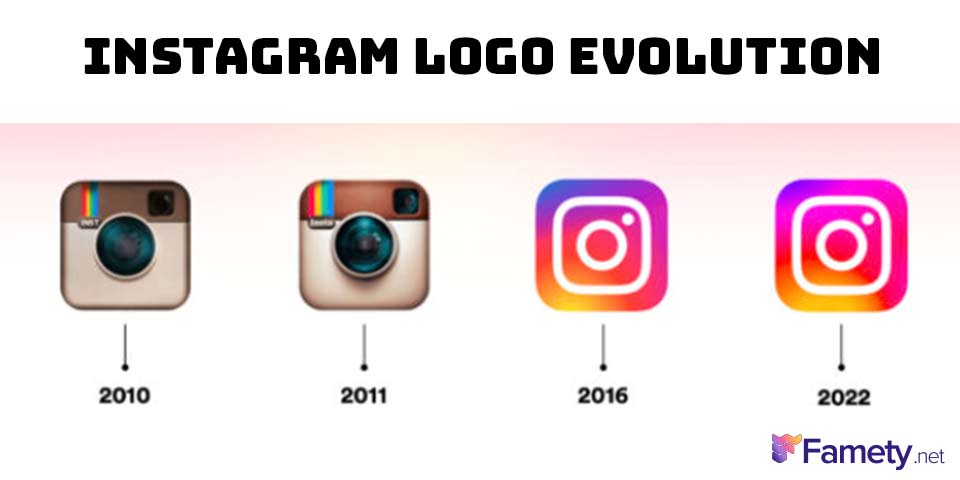
Timeline of Major Milestones
Let’s break down Instagram’s key historical highlights year-by-year.
- 2010
- Instagram launched in October
- Reached 1M users in two months
- 2011
- Introduction of hashtags
- Early influencer culture begins to rise
- 2012
- Instagram was acquired by Facebook for $1 billion
- Android version launched
- 50M+ users milestone reached
- 2013–2015
- Videos added (initially 15 seconds)
- Sponsored posts introduced
- Instagram becomes a marketing tool for brands
- 2016
- Launch of Instagram Stories, a Snapchat-inspired feature
- Algorithmic feed replaces chronological one
- 2018–2020
- IGTV and Reels were released to compete with YouTube and TikTok
- E-commerce features integrated
- “Close Friends” feature added for private sharing
- 2023
- Launch of Threads, a Twitter/X alternative
- Enhanced Reels and monetization tools for creators
- AI tools tested for content moderation
- 2024 Developments
- New AI integrations allowed for auto-captioning
- Creator Marketplace Expansion
- Advanced Safety Tools
- Verified Meta Subscription
- 2025
- Instagram Search Overhaul
- Decentralized Account Options
- Sustainability Initiatives
- Collab Features for Stories
Global Influence and Social Impact
Instagram has evolved into more than a social app it’s a digital stage. It’s been used by:
- Celebrities to stay connected with fans
- Brands for influencer marketing
- Activists to spread awareness
- Small businesses to grow with low-cost promotion
- Creators to build careers from their passions
From revolutions to fashion trends, Instagram’s global reach and visual nature have made it central to modern culture.
How Instagram Changed Social Media Forever
Instagram played a major role in these digital transformations.
- The rise of the influencer economy
- The shift from desktop to mobile-first content
- Visual-first communication
- The power of algorithm-driven discovery
These trends, now standard across other apps, started or were defined by Instagram.
Lessons from Instagram’s Journey
Instagram’s rise wasn’t accidental it was a masterclass in user-centered product development. Here’s what future builders can learn;
- Start small, but listen to user behavior
- Don’t fear pivoting from your original idea
- Focus on simplicity and speed
- Design for emotion and self-expression
- Build an Instagram community, not just an audience
Final Thoughts
Instagram didn’t just succeed it transformed an entire industry. From a modest prototype born in a coffee shop to a billion-user platform owned by Meta, its journey reflects innovation, timing, and the power of a good idea executed well.
A TikTok video sits at 0 views for one of six reasons: it is still in TikTok's automated review (usually clears in 5 to 30 minutes), the video was fla...
Instagram usually blocks a new account for one of six reasons: you already have 5 accounts linked to the same email or phone number, you have 5 accoun...
Whether you use it to share art, promote your brand, or just scroll through memes, Instagram is now deeply woven into the fabric of the internet and it all began with two people, one app, and a single shared vision.